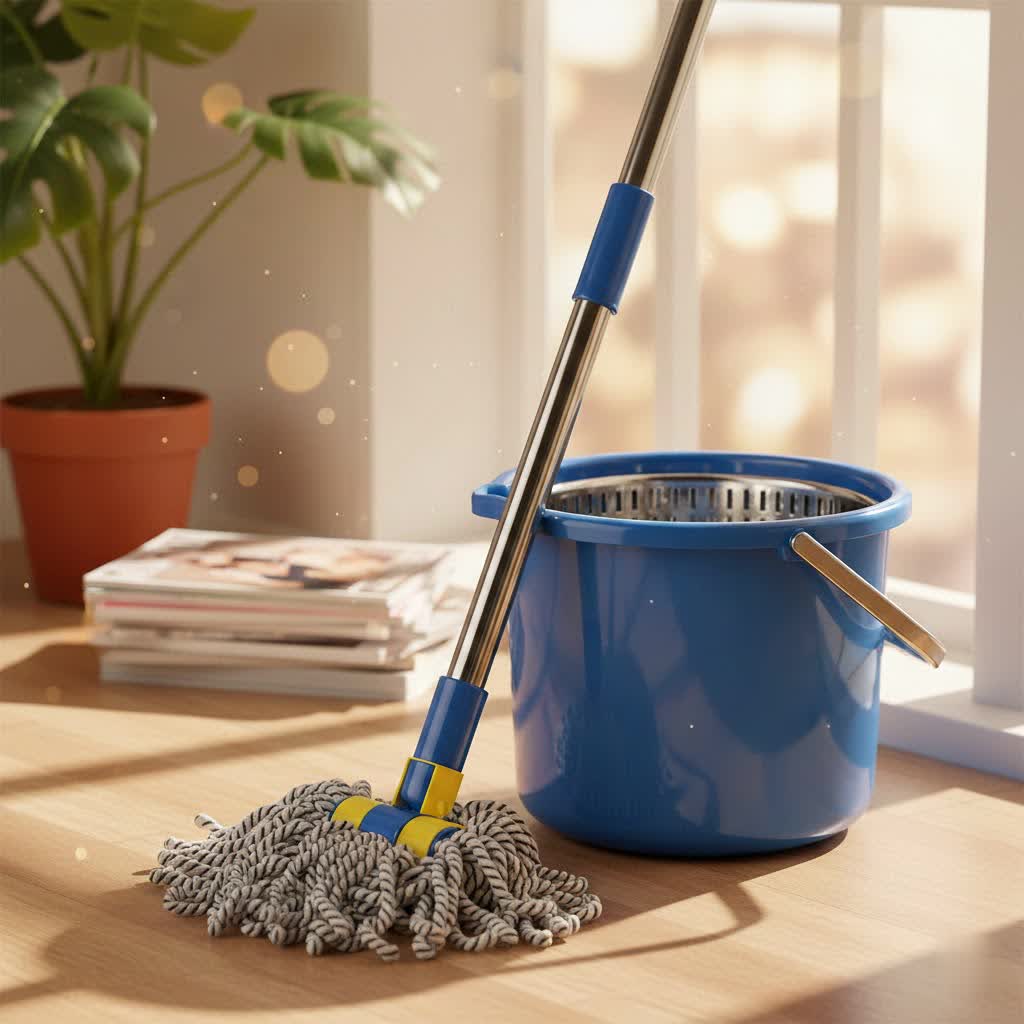
Cleaning floors can often feel like an endless chore, especially when faced with stubborn grime and the constant battle against unseen germs. Traditional mopping might spread dirt, while standard steam mops lack the scrubbing power for truly tough spots. But what if you could combine the best of both worlds – the deep scrubbing action of a spin mop with the sanitizing power of steam? Enter the spin steam mop, a revolutionary cleaning tool designed to tackle the toughest messes and leave your floors sparkling clean and hygienically sanitized. This article will examine everything you need to know about spin steam mops, from their innovative design and benefits to how to choose the perfect model for your home.
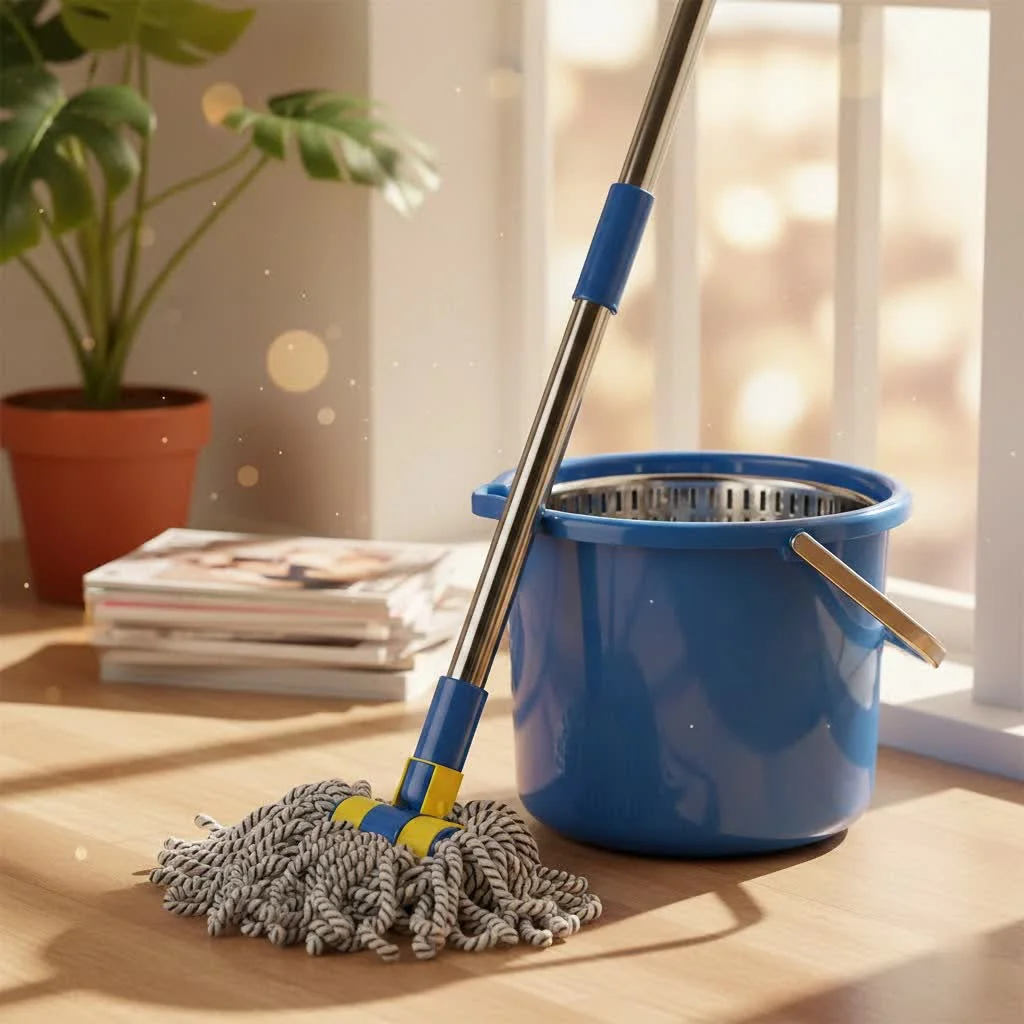
Advantages and Disadvantages of Spin Steam Mops
Spin steam mops offer a unique blend of features that address many common floor cleaning challenges. Understanding their strengths and weaknesses is key to determining if one is right for your home.
Spin Steam Mop: What Is It?
A spin steam mop is an advanced floor cleaning device that integrates two primary cleaning mechanisms: a rotating or spinning mop head and a steam generator. The mop head, typically made of highly absorbent microfiber, actively scrubs the floor surface as it spins, dislodging dirt and grime. Simultaneously, the device emits high-temperature steam, which penetrates and loosens stubborn stains, sanitizes the floor by killing bacteria and germs, and often allows for chemical-free cleaning. This dual-action approach aims to deliver a deeper, more hygienic clean than either a traditional spin mop or a standard steam mop alone.
Historically, cleaning tools have evolved from basic rags and buckets to sophisticated machines. The spin mop introduced ergonomic wringing, while steam mops brought sanitization. The spin steam mop represents a natural progression, merging these functionalities to offer a comprehensive solution for modern homes seeking both mechanical cleaning and germ elimination.
The Benefits and Drawbacks of Spin Steam Mops
Spin steam mops present a compelling case for efficiency and hygiene in home cleaning, yet they come with their own set of considerations.
Advantages:
- Superior Cleaning and Sanitization: The combination of mechanical scrubbing and high-temperature steam effectively lifts tough dirt and eliminates up to 99.9% of germs and bacteria, providing a truly hygienic environment without harsh chemicals.
- Chemical-Free Cleaning: By relying on water converted to steam, these mops reduce the need for chemical detergents, making them safer for homes with children, pets, and individuals with allergies or sensitivities.
- Deep Stain Removal: The intense heat and scrubbing action work in tandem to break down dried-on food, grease, and other stubborn stains that might defy traditional mopping.
- Versatility on Sealed Hard Floors: They are generally safe and highly effective on a variety of sealed hard floor surfaces, including tile, laminate, linoleum, and sealed hardwood floors.
- Reduced Effort: The spinning mechanism often makes cleaning less physically demanding than manual scrubbing, and the steam helps loosen dirt, reducing the need for excessive force.
Disadvantages:
- Cost: Spin steam mops can be a more significant investment than basic spin mops or entry-level steam mops.
- Corded Operation: Most models require an electrical outlet, limiting mobility and requiring users to manage a power cord during cleaning.
- Water Tank Capacity: Smaller tanks may require frequent refills, interrupting the cleaning process, especially in larger homes.
- Maintenance: Mop pads need regular washing, and some units may require descaling to prevent mineral buildup, especially in areas with hard water.
- Not for All Surfaces: They are unsuitable for unsealed floors, certain delicate floor types, or carpets (unless equipped with specific carpet glider attachments).
Exploring Various Types of Spin Steam Mops
The market for spin steam mops offers a range of options, each designed with specific features to enhance the cleaning experience. Understanding these variations can help you pinpoint the best fit for your needs.
Classification by Operating Mechanism
|
Our Picks for the Best Spin Mop in 2026
As an Amazon Associate I earn from qualifying purchases.
|
||
| Num | Product | Action |
|---|---|---|
| 1 | O-Cedar EasyWring Microfiber Spin Mop, Bucket Floor Cleaning System, Red, Gray, Standard |

|
| 2 | O-Cedar Easywring Microfiber Spin Mop & Bucket Floor Cleaning System with 3 Extra Refills |
|
| 3 | Libman Tornado Spin Mop System and 1 Refill, Mop and Bucket with Wringer Set for Hardwood Floor Cleaning, 2 Total Heads Included |
|
| 4 | SIMPLI-MAGIC 79349 Spin Mop Cleaning System with 3 Microfiber Mop Heads, Red/GRAY,Red/Black |
|
| 5 | Mop and Bucket Set with Wringer, Flat Mops for Floor Cleaning, 4 Washable Microfiber Pads, Quick Cleaning Mop Safe on Wood Floors, Vinyl, Tile, Baseboards and Walls |
|
| 6 | O-Cedar RinseClean Spin Mop & Bucket System + 2 Extra Mop Heads- Clean with Water - Removes 99% of Bacteria Plastic |
|
| 7 | True & Tidy True Clean Spin Mop & Bucket System – Dual Compartment Design for Clean & Dirty Water, 360° Swivel Mop Head, Built-in Scrubbing Brush, Stainless Steel Handle & 2 Reusable Microfiber Pads |
|
| 8 | O-Cedar RinseClean Spin Mop & Bucket System - Clean with Water - Removes 99% of Bacteria Plastic |
|
| 9 | Spin Mop Bucket Deluxe 360 Spinning Floor Cleaning System with 6 Microfiber Replacement Head Refills,62" Extended Handle,4X Wheel for Home Cleaning |
|
| 10 | Scrubbing Steam Mop with Rotating Mop Pads, All-in-One Hard Floor Cleaner with LED Headlights, Steam & Spin Control, 6 Soft Scrub Pads, Swivel Steering, FS07 |
|
Spin steam mops primarily differ in how their mop heads achieve the spinning motion, impacting ease of use and user interaction.
- Foot-Pedal Operated: These models typically feature a pedal on the bucket that, when pressed, activates the spinning mechanism to wring out excess water from the mop head or to generate a spinning scrub. While effective, they require more physical input.
- Hand-Press Operated: Similar to traditional spin mops, these allow you to push the mop handle down into a designated wringer, which then spins the mop head. This mechanism is intuitive and often found in simpler designs.
- Automatic/Motorized Spin: Higher-end spin steam mops may feature a motorized mop head that spins continuously as you clean, offering effortless scrubbing and often a more consistent cleaning action. These models tend to be more expensive but provide maximum convenience.
Classification by Design and Features
Beyond the spin mechanism, spin steam mops can also be differentiated by their construction materials and additional functionalities.
- Material of Components:
- Plastic: Often used for buckets and handles in more affordable models, offering lightweight design.
- Metal/Alloy: Found in higher-end models for handles and key components, enhancing durability and a premium feel.
- Microfiber Mop Heads: Universally used for their excellent absorbency, scrubbing power, and ability to trap dirt effectively.
- Additional Features: These can include adjustable steam settings for different floor types, detachable handheld steamers for versatile cleaning, integrated scrubbing brushes, and quick heat-up times.
Leading Brands and Their Unique Characteristics
While specific models vary, several brands are recognized for their contributions to the spin steam mop category, often highlighting durability, performance, or innovative features.
- Brand A (e.g., Bissell, Shark): Known for powerful steam generation, quick heat-up times, and specialized mop pads for specific cleaning challenges.
- Brand B (e.g., Tineco, Karcher): Often focuses on integrated technology, such as smart sensors for dirt detection, or ergonomic designs for ease of use.
- Brand C (e.g., O-Cedar, Vileda): May offer more budget-friendly options that still provide reliable spin and steam functionalities, with a focus on value and widespread availability.
Comprehensive Comparison of Spin Steam Mops
Choosing the best spin steam mop requires a detailed look at various factors, from their initial cost to their long-term cleaning performance and overall convenience.
Price, Durability, and Cleaning Effectiveness
These three aspects form the core of any cleaning tool evaluation.
- Price: Entry-level spin steam mops might range from $80-$150, offering basic spin and steam functions. Mid-range models ($150-$250) often include more features like adjustable steam, larger tanks, and improved build quality. High-end units ($250+) provide premium materials, advanced technology (e.g., motorized spin, smart features), and enhanced durability.
- Durability: Units with metal components in the handle and bucket, robust electrical connections, and high-quality plastics tend to last longer. The durability of the mop pads is also crucial, with good quality microfiber enduring numerous washes.
- Cleaning Effectiveness: This is where the combination of spin and steam shines. Models with higher steam temperatures and powerful spin mechanisms excel at lifting caked-on grime and sanitizing floors thoroughly. Adjustable steam settings allow for optimized cleaning across different floor types.
Features, Design, and User Convenience
Modern spin steam mops often boast features designed to make cleaning easier and more efficient.
- Key Features: Look for quick heat-up times (under 30 seconds), variable steam control, large water tank capacity (reducing refills), and specialized attachments for corners or tough spots. Some models include a scrubbing brush integrated into the mop head for extra power.
- Design: Ergonomic handles, lightweight construction, and compact storage are important for user comfort. A well-designed bucket (if applicable) makes filling and emptying water easier.
- Convenience: Cord length is a significant factor for mobility. Swiveling mop heads improve maneuverability around furniture. Easy-to-attach and detach mop pads simplify maintenance.
Included Accessories and Replaceability
The value of a spin steam mop can be significantly enhanced by its accessories and the availability of replacement parts.
- Accessories: Common accessories include multiple microfiber mop pads (essential for continuous cleaning), carpet gliders for refreshing carpets, and sometimes specialized brushes or nozzles for a handheld steaming function.
- Replaceability: Ensure that replacement mop pads are readily available and affordable. The longevity of the product also depends on the availability of spare parts like water filters (if present) or handle components.
Comparison Table: Key Considerations for Spin Steam Mops
| Feature | Entry-Level Models | Mid-Range Models | High-End Models |
|---|---|---|---|
| Price Range | $80 – $150 | $150 – $250 | $250+ |
| Spin Mechanism | Manual hand-press or basic foot-pedal | Enhanced hand-press or sturdy foot-pedal | Motorized/automatic spin |
| Steam Control | On/Off or limited settings | Multiple steam settings | Precise, variable steam control |
| Water Tank Capacity | Smaller (250-400ml) | Medium (400-600ml) | Larger (600ml+) |
| Heat-up Time | 45-60 seconds | 30-45 seconds | Under 30 seconds |
| Durability | Mostly plastic | Mix of plastic & metal components | Premium materials, robust construction |
| Accessories | 1-2 mop pads | 2-3 mop pads, maybe carpet glider | Multiple pads, specialized tools |
| Best For | Small spaces, occasional use | Regular use, varied floor types | Frequent, extensive cleaning, large homes |
User Guide: Using and Maintaining Your Spin Steam Mop
To maximize the performance and longevity of your spin steam mop, proper usage and diligent maintenance are essential.
First-Time Assembly and Operation
Upon unboxing, most spin steam mops require minimal assembly.
- Attach the Handle: Securely connect the handle sections to the main body of the mop.
- Attach Mop Head: Fasten the microfiber mop pad to the mop head, ensuring it’s snug.
- Fill Water Tank: Use distilled water if recommended by the manufacturer, especially in hard water areas, to prevent mineral buildup. Open the tank cap, fill, and securely close.
- Power On: Plug the mop into a grounded outlet. Allow the mop to heat up until the indicator light signals it’s ready (typically 20-60 seconds).
- Start Cleaning: Begin steaming and spinning over your sealed hard floors. Most models have a trigger or button to release steam. Move at a steady pace to allow steam to penetrate.
Post-Use Cleaning and Storage
Consistent cleaning and proper storage prevent mold, mildew, and extend the life of your mop.
- Empty Water Tank: After each use, always empty any remaining water from the tank to prevent stagnant water and scale buildup.
- Clean Mop Pads: Detach the microfiber pads and machine wash them with regular detergent. Avoid fabric softeners, as they can reduce absorbency. Air dry or tumble dry on low.
- Wipe Down: Use a damp cloth to wipe the exterior of the mop and handle.
- Descaling (Periodically): If your manual recommends it, perform descaling according to instructions (often using a vinegar solution) to clear mineral deposits, especially if not using distilled water.
- Store: Once completely dry, store the mop in an upright position in a cool, dry place. Ensure the cord is neatly wrapped.
Common Issues and Troubleshooting
- No Steam: Check if the mop is plugged in, powered on, and the water tank is filled. Ensure it has had sufficient time to heat up.
- Mop Not Spinning: Verify the spin mechanism is engaged. For manual models, ensure the pedal or hand-press action is firm. For motorized, check power connections.
- Streaking: Use clean mop pads. Reduce the amount of steam if floors are getting too wet. Ensure the floor is swept or vacuumed thoroughly before steaming.
- Leaks: Check the water tank cap for a secure fit. Inspect seals for any damage.
Choosing the Perfect Spin Steam Mop
Selecting the right spin steam mop involves considering your specific cleaning environment and preferences. A thoughtful approach ensures you invest in a tool that truly meets your needs.
Identify Your Specific Needs
Start by evaluating your home and cleaning habits.
- Home Size: For smaller apartments, a compact model with a smaller water tank might suffice. Larger homes will benefit from bigger tanks and longer cords to minimize interruptions.
- Floor Types: While most spin steam mops are for sealed hard floors, if you have predominantly hardwood, ensure the model has adjustable steam settings to prevent oversaturation. Tile and linoleum can generally handle higher steam levels.
- Cleaning Frequency: If you clean daily or multiple times a week, durability and ease of use (like motorized spin) become paramount.
Selecting the Ideal Materials and Spin Mechanism
The construction and operation of the mop significantly impact its performance and your cleaning experience.
- Mop Head Material: Always opt for high-quality microfiber pads. These offer superior absorption, effective scrubbing, and are durable enough for repeated washing.
- Spin Mechanism:
- Foot-pedal or Hand-press: Cost-effective and reliable for those who don’t mind a bit of manual effort.
- Motorized Spin: Offers maximum convenience and consistent scrubbing, ideal for larger areas or if you prefer a more effortless clean.
Assess Overall Durability and Build Quality
A spin steam mop is an investment, so its ability to withstand regular use is crucial.
- Handle Construction: Look for sturdy metal or high-grade plastic handles that don’t flex or wobble.
- Bucket (if applicable): For models with a separate spinning bucket, ensure it’s made from robust plastic that won’t crack under pressure.
- Electrical Components: Check reviews for common issues related to heating elements, pumps, and cord durability.
Budgeting for Your Spin Steam Mop
Spin steam mops come at various price points, so align your expectations with your budget.
- Entry-level: Offers basic functionality for lighter cleaning tasks.
- Mid-range: A good balance of features, durability, and performance for most households.
- High-end: Best for intensive cleaning, large homes, and those seeking advanced features and premium build quality. to factor in the cost of replacement mop pads.
Brand Reputation and After-Sales Support
Choosing a reputable brand can provide peace of mind regarding quality and support.
- Established Brands: Brands with a long history in cleaning appliances often offer more reliable products and better customer service.
- Warranty: Check the warranty period and what it covers. A longer warranty often indicates manufacturer confidence in their product.
- Reviews: User reviews can offer valuable insights into real-world performance and common issues.
Buying Guide: Essential Criteria for Your Spin Steam Mop
When you’re ready to make a purchase, focus on these critical criteria to ensure you pick a spin steam mop that delivers exceptional value and performance.
Material Quality: The Foundation of Durability
The materials used in a spin steam mop dictate its longevity and effectiveness.
- Main Body (Plastic vs. Metal): While plastic bodies keep the mop lightweight and affordable, look for thick, impact-resistant plastics. Models with stainless steel or aluminum components in the handle or key stress points offer superior durability and a more premium feel.
- Mop Head Pads (Microfiber): High-quality microfiber is essential. It should be dense, absorbent, and durable enough to withstand frequent washing without losing its cleaning efficacy. Ensure the pads are easy to attach and detach.
Spin Mechanism: Manual Effort vs. Automated Ease
Your preferred level of physical involvement will guide your choice of spin mechanism.
- Foot-Pedal/Hand-Press: These require direct user action to spin the mop head. They are generally reliable and cost-effective, ideal for those who prefer mechanical control and value simplicity. However, they can be more tiring for extended use.
- Motorized/Automatic Spin: Found in advanced models, these mops feature a powered motor that spins the mop head continuously as you clean. This offers effortless scrubbing, consistent cleaning power, and reduces user fatigue, making it excellent for large areas or frequent use.
Durability Assessment: Built to Last
Evaluating durability goes beyond just materials; it involves inspecting the overall construction and design.
- Joints and Connections: Check the quality of joints, especially where the handle connects to the mop head and where components articulate. These are common points of failure in cheaper models.
- Cord Quality: A thick, flexible power cord with good strain relief where it enters the mop’s body indicates better quality and safety.
- User Reviews on Longevity: Pay close attention to long-term user reviews regarding motor life, steam generator reliability, and resistance to wear and tear.
Price Point: Balancing Performance with Budget
Spin steam mops range widely in price, reflecting their features, build quality, and brand.
- Entry-Level (Under $150): Suitable for occasional use or smaller homes, offering basic but effective spin and steam. Good for those on a tight budget.
- Mid-Range ($150 – $250): Offers a robust set of features, improved build quality, and better performance. This segment often provides the best value for most regular users.
- Premium (Over $250): Features advanced technology (e.g., motorized spin, digital controls, specialized attachments), superior materials, and often extended warranties. Best for demanding cleaning tasks or those seeking the ultimate in convenience and durability.
Brand Reputation: A Mark of Reliability
Choosing a well-known brand often comes with assurances of quality, customer support, and access to replacement parts.
- Research Established Brands: Brands like Bissell, Shark, Tineco, and Vileda often have a strong track record in floor care. Look for brands known for innovation and customer satisfaction in cleaning appliances.
- Read Brand-Specific Reviews: While individual product reviews are important, also consider what users say about a brand’s overall reliability, warranty service, and ease of getting replacement parts.
Real-World Insights: User Experiences with Spin Steam Mops
The true test of any cleaning appliance lies in the hands of its users. Aggregated user feedback provides invaluable perspectives on the practical performance and everyday challenges of spin steam mops.
Common User Testimonials and Feedback
Many users praise spin steam mops for their ability to deliver a deep, sanitized clean that goes beyond what traditional mopping achieves.
- Sanitization Without Chemicals: A recurring positive is the peace of mind that comes with chemical-free sanitization, especially for families with young children and pets. Users appreciate floors feeling genuinely clean.
- Effective on Tough Stains: Testimonials frequently highlight how the combination of steam and scrubbing effortlessly tackles dried spills, muddy footprints, and sticky residue that usually require extensive elbow grease.
- Time-Saving and Efficient: Users often report a significant reduction in cleaning time and effort compared to manual scrubbing or using separate mops for different tasks. The quick drying time of steam is also a plus.
> “Using a spin steam mop has been a major upgrade for my kitchen and bathroom tiles. The grout looks cleaner, and I love that I’m not exposing my kids or pets to harsh chemicals.” – Sarah M., Busy Parent & Home Cleaning Enthusiast
Key Learnings from User Experiences
Real-world usage uncovers practical tips and common pitfalls to avoid.
- Pre-Vacuuming is Key: Many users emphasize the importance of sweeping or vacuuming floors thoroughly before using the spin steam mop. This prevents the mop from pushing loose debris around and ensures the steam can focus on embedded dirt.
- Distilled Water Recommended: While some models tolerate tap water, a significant number of users advise using distilled water to prevent mineral buildup and extend the life of the steam mechanism, especially in hard water areas.
- Keep Mop Pads Clean: Regularly washing mop pads is crucial. Dirty pads can spread grime and reduce cleaning effectiveness. Many users recommend having several spare pads on hand for larger cleaning sessions.
- Cord Management: The cord is a common complaint. Users recommend strategies like routing the cord over the shoulder or using cord clips to prevent tangling and ensure smooth operation.
What to Avoid When Purchasing
Based on user feedback, here are some common mistakes to sidestep:
- Overlooking Tank Size: A small water tank can be frustrating in larger homes, requiring constant refills.
- Ignoring Steam Control: Mops without adjustable steam settings might be too harsh for delicate floors or not powerful enough for tough messes.
- Cheap Build Quality: While tempting, overly cheap models often disappoint with flimsy handles, weak spin mechanisms, or short-lived steam generators. Investing a little more often pays off in durability and performance.
- Not Checking Cord Length: A short cord can severely limit maneuverability, especially in open-plan living spaces.
Conclusion
The spin steam mop stands as a shows innovation in home cleaning, offering a powerful combination of mechanical scrubbing and sanitizing steam. It addresses the desire for a deeper, more hygienic clean, often without the need for harsh chemicals, making it an excellent choice for a wide range of households. From tackling stubborn grime on tile floors to gently sanitizing sealed hardwood, these versatile tools promise to simplify your cleaning routine and improve your home’s hygiene.
By understanding the different types, key features, and maintenance requirements, you can confidently choose a spin steam mop that aligns perfectly with your cleaning needs and budget. Investing in the right model will not only make your floors visibly cleaner but also contribute to a healthier living environment. Are you ready to experience the transformative power of a truly deep clean for your home?
Frequently Asked Questions
Can a spin steam mop be used on all floor types?
No, spin steam mops are generally safe for most sealed hard floors like tile, sealed hardwood, laminate, and linoleum. They should not be used on unsealed or unglazed surfaces, as the moisture and heat can cause damage. Always check your floor manufacturer’s recommendations and the mop’s manual.
How often should I clean the mop pads?
It is recommended to clean your microfiber mop pads after every significant cleaning session. For lighter tasks or small areas, you might get away with using them a couple of times, but for optimal hygiene and cleaning effectiveness, fresh pads are best. Machine wash them without fabric softener.
Is it necessary to use distilled water in a spin steam mop?
While some manufacturers state tap water is fine, many users and experts recommend using distilled water, especially in areas with hard water. Distilled water prevents mineral buildup (limescale) in the steam mechanism, which can prolong the mop’s lifespan and maintain optimal steam output.
How long does it take for a spin steam mop to heat up?
Most spin steam mops have a quick heat-up time, typically ranging from 20 to 60 seconds. High-end models often heat up faster, sometimes in as little as 15-20 seconds, allowing you to start cleaning almost immediately.
What is the main difference between a spin steam mop and a regular steam mop?
The key difference is the scrubbing action. A regular steam mop relies solely on steam to loosen dirt, while a spin steam mop combines that steam power with a rotating or spinning mop head that actively scrubs the floor. This dual action provides superior mechanical agitation, making it more effective against stubborn, caked-on dirt.
Get our weekly buyer guide
Practical specs, not advice. Unsubscribe anytime.
