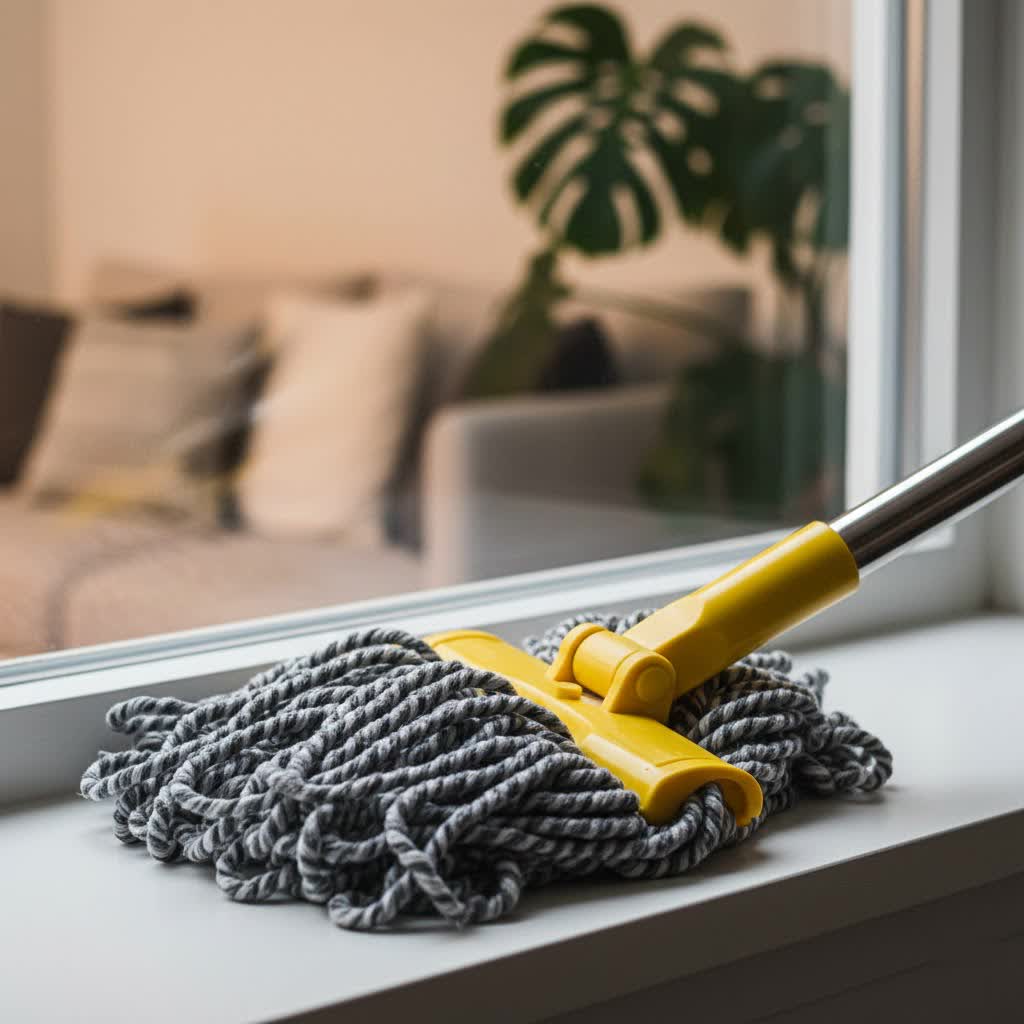
Tired of the endless scrub and squeeze cycle of traditional mopping? Imagine effortlessly cleaning your floors, leaving them sparkling without ever touching dirty water. The spin mop system is here to transform your cleaning routine, turning a dreaded chore into a satisfying task. With innovative design and user-friendly features, spin mops offer a powerful solution for modern homes, promising efficiency and hygiene.
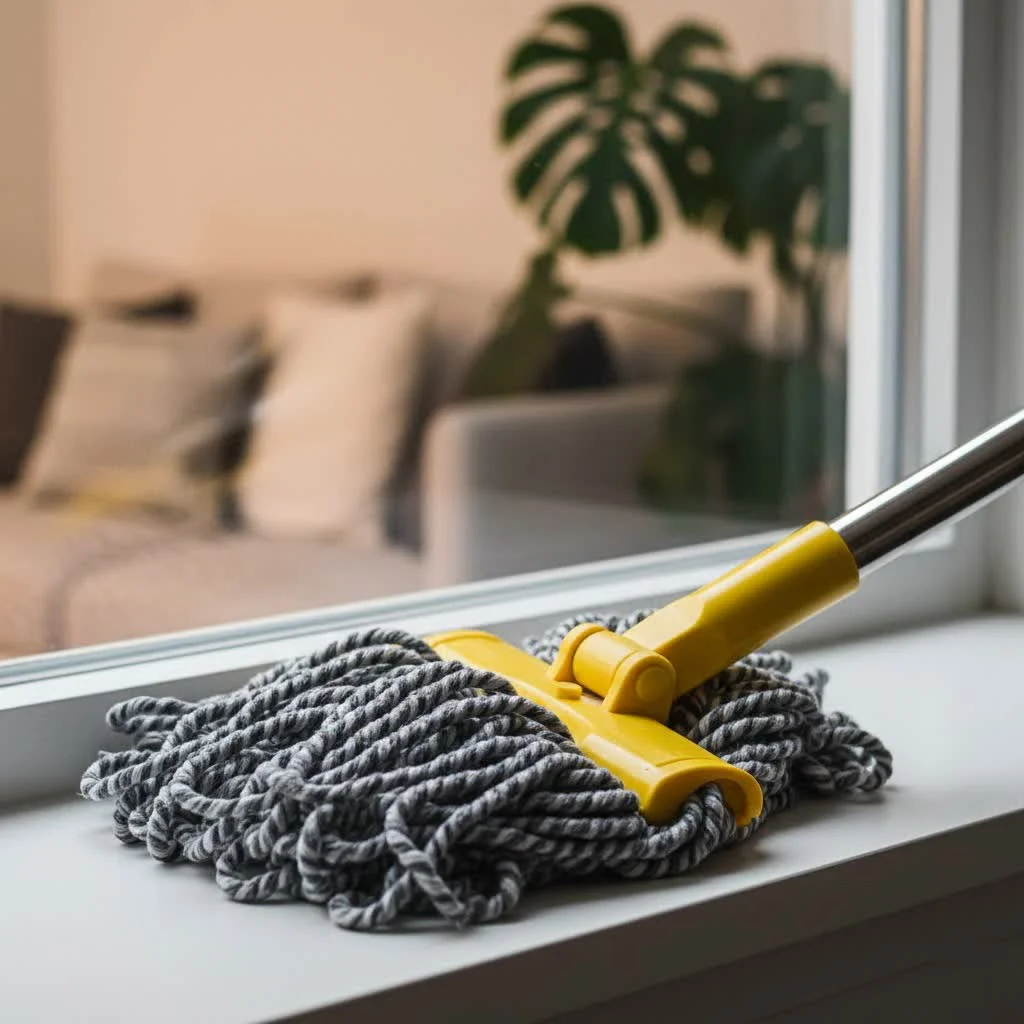
This comprehensive guide will dive deep into the world of spin mop systems, exploring their mechanics, types, and what makes them a standout choice for spotless floors. We’ll help you navigate the options, compare the best on the market, and equip you with the knowledge to select the perfect system for your household. Get ready to discover how a spin mop can make your home cleaner, faster, and with less effort than ever before. For more home cleaning guides on this site.
Understanding the Spin Mop System
What is a Spin Mop System?
A spin mop system is an advanced floor cleaning tool that combines a mop with a special bucket featuring a built-in spinning mechanism. Unlike traditional mops that require manual wringing, often leaving floors too wet or hands dirty, spin mops leverage centrifugal force to rapidly remove excess water from the mop head. This hands-free wringing process ensures your mop is perfectly damp for cleaning and your floors dry quickly.
The core components typically include a durable mop handle, a round or triangular microfiber mop head, and a bucket with a spinning wringer. When the mop head is placed into the wringer and activated (either by a foot pedal or a pump action on the handle), it spins at high speed, expelling water into the bucket. This ingenious mechanism was developed to address common frustrations with older mop designs, providing a more hygienic and efficient way to clean.
Key Advantages and Disadvantages of Spin Mop Systems
Spin mop systems have gained immense popularity, and for good reason. They offer several compelling benefits that set them apart from conventional mops.
Advantages:
- Effortless Wringing: The hands-free spinning mechanism eliminates strenuous bending and squeezing, making mopping significantly easier on your back and hands.
- Superior Cleaning: Microfiber mop heads are highly absorbent and excel at trapping dirt, grime, and even over 99% of germs with just water, reducing the need for harsh chemicals.
- Faster Drying Floors: The efficient wringing process leaves less moisture on your floors, leading to quicker drying times and reducing slip hazards.
- Enhanced Hygiene: Many modern spin mop systems feature dual-tank buckets that separate clean water from dirty water, ensuring you’re always cleaning with fresh solution and never spreading grime. Mop heads are also typically machine washable, promoting better hygiene.
- Versatility: Spin mops are effective on various hard floor surfaces, including tile, hardwood, laminate, and vinyl. Their maneuverable heads often reach into corners and under furniture with ease.
- Durability and Value: While the initial cost might be slightly higher than a basic mop, the reusable, long-lasting microfiber mop heads offer better value over time compared to disposable options.
Disadvantages:
- Bulkier Storage: The bucket system, especially dual-tank models, can be larger and require more storage space than a simple mop.
- Maintenance of Moving Parts: The spinning mechanism involves moving parts that, over time, might require more maintenance or be prone to wear compared to a non-mechanical mop.
- Mop Head Replacement Costs: While long-lasting, proprietary mop head refills can be a recurring expense.
- Moisture Level: While superior to traditional mops, spin mops may leave slightly more moisture than steam mops, potentially leading to marginally longer drying times in some environments.
- Limited Sanitization: Unlike the high heat of steam mops, spin mops primarily clean through mechanical action and absorbency. For deep sanitization, they may require the use of cleaning solutions.
Types of Spin Mop Systems
Understanding the variations within spin mop systems can help you pinpoint the best fit for your cleaning style and home.
Wringing Mechanism: Foot-Pedal vs. Handle-Press
|
Our Picks for the Best Spin Mop in 2026
As an Amazon Associate I earn from qualifying purchases.
|
||
| Num | Product | Action |
|---|---|---|
| 1 | O-Cedar RinseClean Spin Mop & Bucket System + 2 Extra Mop Heads- Clean with Water - Removes 99% of Bacteria Plastic |

|
| 2 | Mop and Bucket Set with Wringer, Flat Mops for Floor Cleaning, 4 Washable Microfiber Pads, Quick Cleaning Mop Safe on Wood Floors, Vinyl, Tile, Baseboards and Walls |
|
| 3 | O-Cedar Easywring Microfiber Spin Mop & Bucket Floor Cleaning System with 3 Extra Refills |
|
| 4 | True & Tidy True Clean Spin Mop & Bucket System – Dual Compartment Design for Clean & Dirty Water, 360° Swivel Mop Head, Built-in Scrubbing Brush, Stainless Steel Handle & 2 Reusable Microfiber Pads |
|
| 5 | SIMPLI-MAGIC 79349 Spin Mop Cleaning System with 3 Microfiber Mop Heads, Red/GRAY,Red/Black |
|
| 6 | Spin Mop Bucket Deluxe 360 Spinning Floor Cleaning System with 6 Microfiber Replacement Head Refills,62" Extended Handle,4X Wheel for Home Cleaning |
|
| 7 | O-Cedar EasyWring Microfiber Spin Mop, Bucket Floor Cleaning System, Red, Gray, Standard |
|
| 8 | Libman Tornado Spin Mop System and 1 Refill, Mop and Bucket with Wringer Set for Hardwood Floor Cleaning, 2 Total Heads Included |
|
| 9 | O-Cedar RinseClean Spin Mop & Bucket System - Clean with Water - Removes 99% of Bacteria Plastic |
|
| 10 | Scrubbing Steam Mop with Rotating Mop Pads, All-in-One Hard Floor Cleaner with LED Headlights, Steam & Spin Control, 6 Soft Scrub Pads, Swivel Steering, FS07 |
|
The method of activating the spin cycle is a key differentiator:
- Foot-Pedal Systems: These systems feature a foot pedal on the bucket that, when pressed, rotates the wringer basket. This design offers completely hands-free wringing, allowing you to control the mop’s dampness with your foot. Many users find this convenient as it avoids bending down or exerting upper body strength.
- Handle-Press Systems: With these models, the spinning action is initiated by pumping the mop handle up and down while it’s in the wringer. This mechanism is also hands-free in the sense that you don’t touch the mop head, but it does require some arm movement. Some users prefer the direct control and simplicity of a handle-press system.
Bucket Design: Single-Tank vs. Dual-Tank
The bucket’s design significantly impacts cleaning hygiene:
- Single-Tank Systems: These are the more traditional spin mop buckets where the mop is rinsed and wrung in the same reservoir. While the spinning action helps separate some dirty water, the mop head is still re-dipped into water that has accumulated some grime.
- Dual-Tank (or Two-Bucket) Systems: Considered a significant upgrade, these systems feature separate compartments for clean and dirty water. This innovative design ensures that your mop head is always rinsed with fresh water, preventing the spread of dirt and germs and leading to noticeably cleaner floors. The dirty water is channeled away into its own reservoir.
Mop Head Materials: Microfiber Dominance
Almost universally, spin mop heads are made from microfiber. This synthetic material is chosen for its exceptional qualities:
- High Absorbency: Microfiber can hold several times its weight in water, making it incredibly effective at soaking up spills.
- Dirt Trapping Power: The microscopic fibers effectively capture and hold onto dust, dirt, pet hair, and grime, rather than just pushing it around.
- Gentle yet Effective: Microfiber is gentle enough for delicate surfaces like hardwood, yet robust enough to tackle stubborn messes on tile and linoleum.
- Machine Washable: A major hygiene benefit is that microfiber mop heads are easily detachable and can be machine washed, extending their lifespan and ensuring a fresh start for every clean. Cotton mop heads are rarely seen in spin mop systems due to their slower drying time and propensity for mildew.
Comparing Popular Spin Mop Systems
The market offers a variety of spin mop systems, each with unique features and strengths. Here’s a look at some common types and what to consider when comparing them:
- O-Cedar EasyWring Spin Mop System: A classic and highly-rated choice, known for its foot-pedal wringing and effective microfiber mop head. It’s often praised for its balance of affordability and performance.
- O-Cedar EasyWring RinseClean Spin Mop System: An advanced version of the EasyWring, featuring a dual-tank system that ensures you always mop with clean water. This model often appears at the top of “best overall” lists for its superior hygiene.
- True & Tidy TrueClean Mop System: Often highlighted for its lightweight design and portability, making it a good choice for smaller homes or those who value ease of movement.
- Bissell SpinWave Cordless Hard Floor Spin Mop: Moving beyond manual systems, electric spin mops like the Bissell SpinWave use motorized spinning pads to scrub floors. These offer a different experience, often requiring less physical effort, but come with a higher price point and the need for charging.
- Worthland Spin Mop: Known for handle-powered wringing and sometimes recommended for specific floor types like laminate due to precise moisture control.
When comparing, always look at:
- Price vs. Features: Is a budget model sufficient, or do the added features of a dual-tank or electric system justify the higher cost?
- Durability: Check reviews for common complaints about handle breakage or bucket longevity.
- Mop Head Performance: How well does it clean various stains, and how long do the mop heads typically last?
- Ease of Use: Consider the wringing mechanism and overall maneuverability.
| Feature / Model | O-Cedar EasyWring (Single-Tank) | O-Cedar RinseClean (Dual-Tank) | Bissell SpinWave (Cordless Electric) |
|---|---|---|---|
| Wringing Mechanism | Foot Pedal | Foot Pedal | Motorized Spinning Pads |
| Water Separation | No | Yes (Clean/Dirty) | N/A (pads wet externally) |
| Mop Head Material | Microfiber | Microfiber | Microfiber Pads |
| Portability | Good (no wheels) | Good (no wheels) | Cordless, but heavier |
| Cleaning Effectiveness | Very Good | Excellent | Excellent (powered scrub) |
| Price Point | Budget-friendly | Mid-range | High-end |
| Ease of Cleaning Mop | Machine washable head | Machine washable head | Machine washable pads |
| Key Advantage | Affordable, effective | Always clean water | Minimal effort, powerful scrubbing |
| Potential Drawback | Single water tank | Slightly higher cost | Higher cost, charging required |
Choosing the Right Spin Mop System for Your Home
Selecting the perfect spin mop system means aligning its features with your unique cleaning needs.
Mop Selection: Key Considerations
- Home Size and Layout: For smaller homes or apartments, a compact and lightweight model might be ideal. For larger homes, especially those with extensive hard flooring, a system with a larger water capacity, wheels for portability, or a dual-tank design for uninterrupted cleaning sessions can be a game-changer.
- Floor Type: While most spin mops are suitable for various hard floors, consider if you have sensitive surfaces like unsealed hardwood or antique tile. Microfiber is generally safe, but precise moisture control (often better with foot-pedal systems) is crucial for water-sensitive floors.
- Cleaning Frequency: If you mop daily, durability and ease of use become paramount. For occasional cleaning, a more budget-friendly model might suffice.
- Physical Limitations: If you have back pain, joint issues, or prefer minimal effort, a foot-pedal system is excellent for hands-free wringing, and an electric spin mop offers powered assistance.
Buying Guide: Important Criteria
- Material Quality: Look for durable plastics for the bucket and sturdy stainless steel or high-grade aluminum for the mop handle. These materials contribute to the system’s longevity. Microfiber mop heads are standard; ensure they feel plush and well-constructed.
- Wringing Mechanism: Decide between a foot-pedal or handle-press system based on your comfort and preference for hands-free operation versus direct control.
- Durability: Read user reviews concerning the handle’s robustness, the bucket’s integrity, and the spinning mechanism’s longevity. A well-built system will withstand frequent use.
- Price: Spin mop systems range from $30 to $150+. Set a budget, but remember that investing in a higher-quality system can save money on replacements and improve cleaning effectiveness in the long run.
- Brand Reputation: Established brands like O-Cedar, Bissell, and True & Tidy often have a track record of quality and customer support. They also tend to have readily available replacement parts, such as mop heads.
Accessories to Look For
Many spin mop systems offer accessories that enhance the cleaning experience:
- Extra Mop Heads: Essential for having a fresh mop head ready, especially for larger homes or different cleaning tasks.
- Detergent Dispensers: Some buckets include a small dispenser for cleaning solution.
- Splash Guards: A common and highly valued feature that prevents water from splashing out of the bucket during wringing.
- Wheels on the Bucket: For increased portability, especially with heavier, filled dual-tank systems.
- Telescopic Handles: Adjustable handles ensure comfortable use for people of varying heights and make storage easier.
Tips for Effective Use and Maintenance
Maximizing the lifespan and cleaning power of your spin mop system requires proper usage and care.
How to Use Your Spin Mop System
- Assembly: Most spin mops are simple to assemble. The handle usually twists or clicks together, and the mop head snaps onto the base. Ensure all connections are secure before use.
- Fill the Bucket: Add water to the designated fill line. If your system has separate clean and dirty water tanks, fill the clean water reservoir. Add your preferred floor cleaning solution according to its instructions.
- Wet the Mop: Dip the mop head fully into the cleaning solution until it’s saturated.
- Wring Out Excess Water:
- Foot-Pedal: Place the mop head into the spinning basket and repeatedly press the foot pedal until the desired dampness is achieved.
- Handle-Press: Place the mop head into the spinning basket and pump the handle up and down to activate the spin.
- Control the number of spins to get the perfect moisture level for your floor type – less for wood, more for tile.
- Mop Your Floors: With the mop head at the ideal dampness, proceed to clean your floors. The swivel head design allows for easy maneuvering around obstacles. Remember to lock the handle if your mop has this feature, preventing it from spinning while you’re cleaning.
- Rinse and Repeat: After mopping an area, rinse the mop head in the clean water (or dedicated rinse area for dual-tank systems) and wring it out again before continuing to new sections.
- Discard Dirty Water: Once you’re finished, pour out the dirty water. For dual-tank systems, this means emptying the dirty water reservoir.
Cleaning and Storage
Proper care extends the life of your spin mop:
- Mop Head Care: Most microfiber mop heads are machine washable. Detach the mop head and toss it in the washing machine after each use. Avoid using bleach or fabric softener, as these can damage the microfiber and reduce its effectiveness. Air dry the mop head thoroughly to prevent mildew.
- Bucket Cleaning: Rinse the bucket thoroughly with clean water after each use. Allow it to air dry completely to prevent bacterial growth and odors.
- Storage: Store your spin mop system in a dry, well-ventilated area. If your mop handle is telescopic, collapse it for compact storage.
Common Issues and Troubleshooting
- Mop Head Not Spinning: Check that the mop head is correctly seated in the wringer basket. Ensure the wringing mechanism (foot pedal or handle) is fully engaged and not jammed.
- Handle Not Locking: If the handle keeps spinning while you’re mopping, ensure the locking mechanism (usually a twist-lock collar) is securely tightened.
- Streaks on Floor: This often indicates too much water on the mop head or too much cleaning solution. Try wringing the mop more thoroughly or diluting your solution. A dirty mop head can also cause streaking, so ensure it’s clean.
- Water Splashing: Ensure the splash guard (if your bucket has one) is correctly in place. Avoid overfilling the bucket.
Expert Insights and User Experiences
Home cleaning experts consistently highlight the benefits of spin mop systems for their efficiency and hygiene. Marla Mock, President of Molly Maid, emphasizes the importance of a machine-washable microfiber head and a hands-free wringer, noting that “the best mop is the one that’s easy to use and gets the job done without spreading dirt around.” She also points out that separated clean and dirty water tanks are key to truly clean floors.
Users frequently praise the O-Cedar EasyWring RinseClean system for its dual-tank technology, reporting that their floors have never felt cleaner. Many appreciate the ease of use, particularly those with back pain who find the foot pedal wringing a significant relief. The ability to control moisture levels is a recurring positive, allowing for safe cleaning on various floor types. While some users mention the bulkiness of the bucket as a minor drawback, the overwhelming sentiment is that spin mop systems offer a superior cleaning experience compared to traditional mops, making home maintenance less of a chore.
Conclusion
The spin mop system stands as a testament to innovation in home cleaning. By offering a hands-free, efficient, and hygienic way to maintain your floors, it tackles the age-old problems of messy wringing and dirty water with smart design. Whether you opt for a simple, yet effective, single-tank model or a high-tech dual-tank system, the right spin mop can dramatically improve your cleaning routine, leaving your home with sparkling, fast-drying floors.
Ready to say goodbye to soggy hands and hello to effortless shine? Explore the options and find the spin mop system that will revolutionize your approach to a cleaner home!
Frequently Asked Questions
Are spin mops truly more hygienic than traditional mops?
Yes, spin mops are generally more hygienic. Their hands-free wringing prevents you from touching dirty water. Moreover, many models feature dual-tank systems that separate clean and dirty water, ensuring you consistently mop with a fresh solution. The machine-washable microfiber mop heads also allow for thorough cleaning and prevent bacterial buildup, unlike conventional mop heads that are often difficult to sanitize properly.
How often should I replace my spin mop head?
It’s generally recommended to replace your spin mop head every three months with regular use, or sooner if it appears visibly worn, stained, or less effective at picking up dirt. The lifespan can vary depending on cleaning frequency, the type of flooring you’re cleaning, and how well you maintain the mop head (e.g., washing after each use). Keeping spare mop heads ensures you always have a fresh one ready for optimal cleaning performance.
Can I use a spin mop on all types of hard floors?
Most spin mops with microfiber heads are safe for a wide range of hard floor surfaces, including hardwood, laminate, tile, vinyl, and linoleum. Microfiber is gentle yet effective. However, for moisture-sensitive floors like unsealed hardwood, it’s crucial to wring the mop head very thoroughly to ensure it’s only damp, not wet, to prevent water damage. Always check the manufacturer’s recommendations for both the mop and your specific flooring.
Get our weekly buyer guide
Practical specs, not advice. Unsubscribe anytime.
