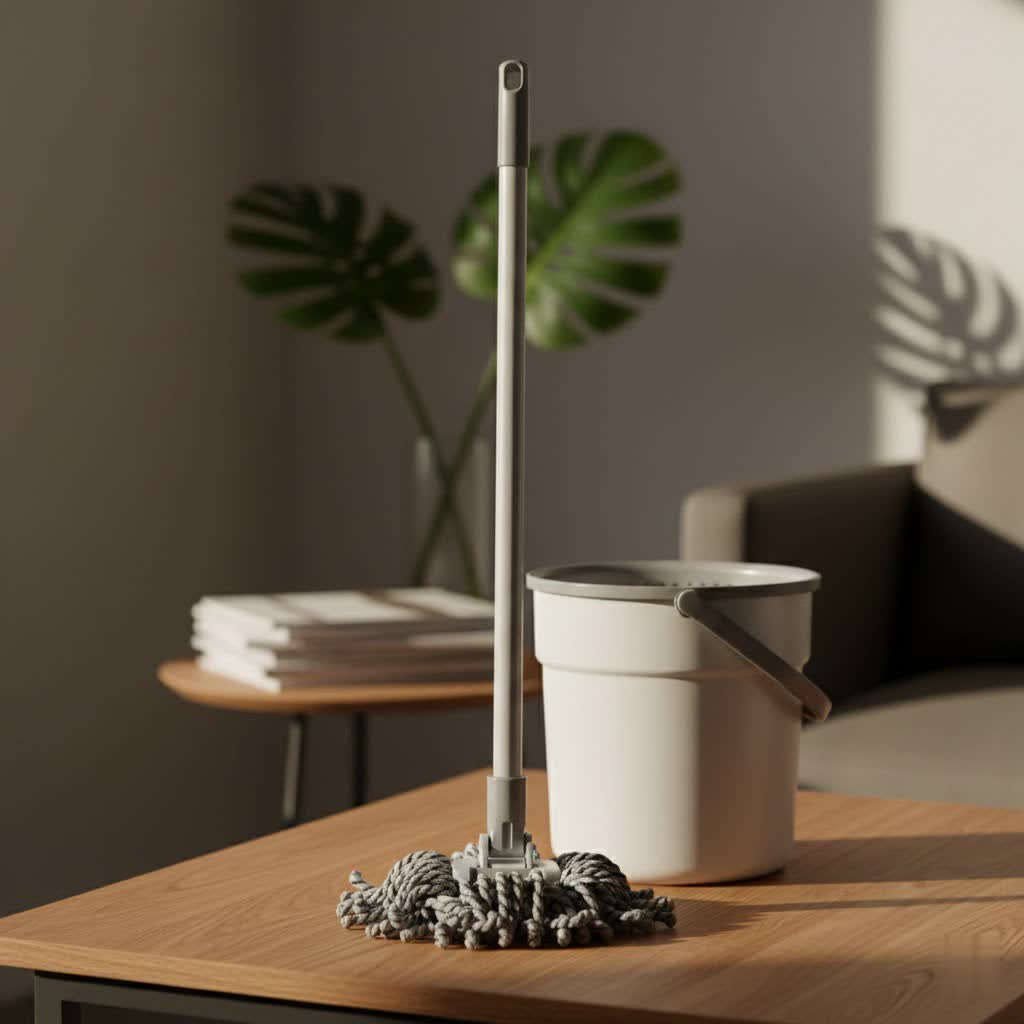
Step into almost any modern home, and you’re likely to find a spin mop system standing ready for action. While the bucket and spinning mechanism get a lot of credit for making cleaning easier, the true workhorse of this ingenious system is often overlooked: the spin mop head. This essential component is what truly interacts with your floors, lifting dirt, grime, and even invisible bacteria to leave your surfaces sparkling clean. Choosing the right mop head and knowing how to care for it is crucial for achieving the best cleaning results and extending the life of your entire spin mop system.
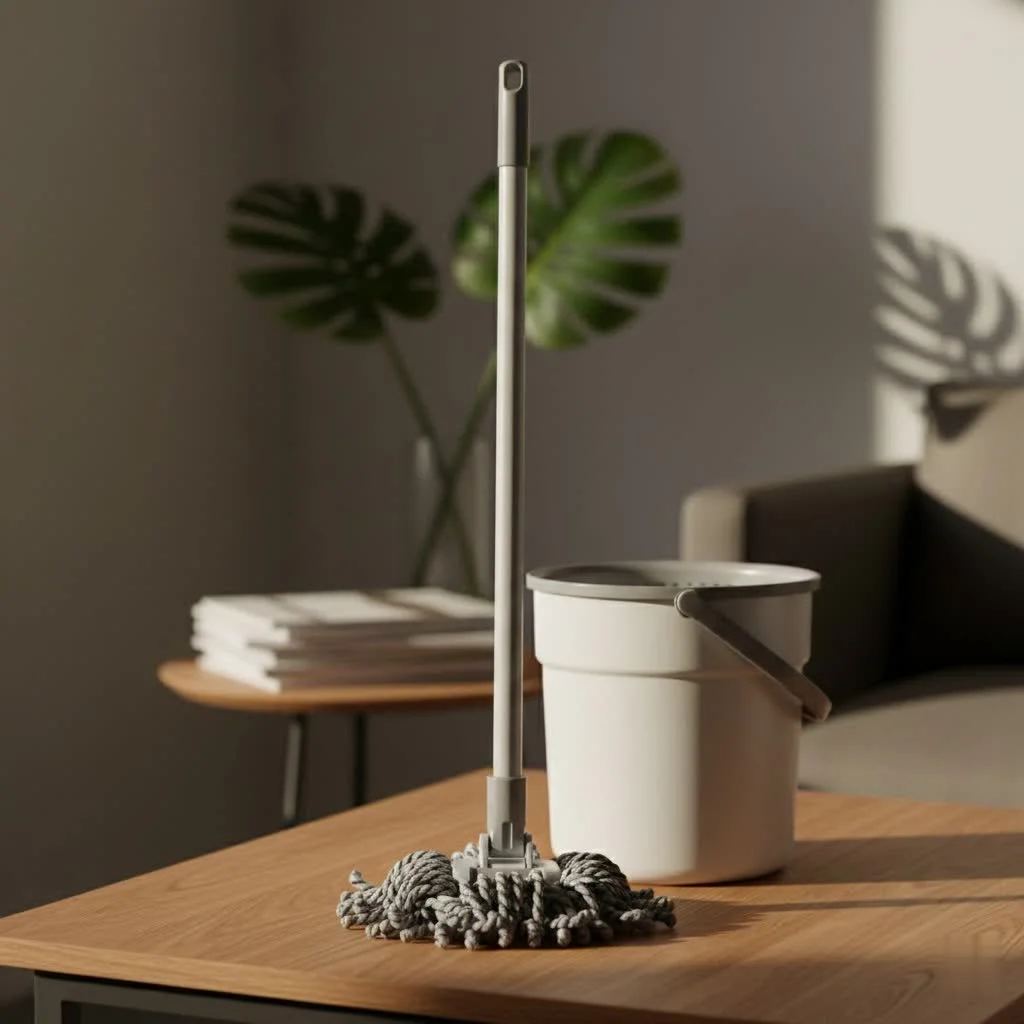
Understanding Spin Mop Mop Heads: More Than Just Strands
At its core, a spin mop head is the detachable cleaning pad that connects to your spin mop handle. It’s designed to absorb water and cleaning solution, pick up debris, and then be efficiently wrung out in the spin mop bucket’s centrifugal mechanism. These heads are engineered to optimize cleaning effectiveness while being durable enough to withstand repeated use and washing.
What Exactly is a Spin Mop Head?
A spin mop head is typically a circular or occasionally triangular bundle of cleaning strands or fibers, often made from microfiber, cotton, or synthetic blends. This bundle attaches securely to the base plate of your spin mop handle, allowing it to swivel and rotate for thorough cleaning. Its primary purpose is to efficiently collect dirt and moisture, ensuring your floors are not just clean, but also dry quickly and streak-free. The unique design allows for 360-degree rotation, reaching into corners and under furniture with ease.
Why the Mop Head Matters for Effective Cleaning
The mop head is the direct interface between your cleaning efforts and your floor. Its material, absorbency, and design dictate how effectively it picks up spills, traps dirt, and removes microscopic particles. A high-quality mop head can make a significant difference in reducing cleaning time, minimizing effort, and ensuring a hygienic clean. Without an effective mop head, even the most advanced spin mop bucket can’t deliver on its promise of pristine floors.
Exploring Spin Mop Mop Head Materials: Microfiber, Cotton, and Blends
The material of your spin mop head profoundly impacts its cleaning performance, durability, and suitability for different tasks. The most common materials are microfiber, cotton, and various synthetic blends.
Microfiber Mop Heads
Microfiber is by far the most popular choice for spin mop heads, and for good reason. Made from synthetic fibers like polyester and polyamide, microfibers are incredibly fine—often 1/100th the diameter of a human hair.
-
Pros:
- Superior Absorbency: Microfiber can hold several times its weight in water, making it excellent for soaking up spills and cleaning efficiently.
- Excellent Cleaning Power: The microscopic fibers effectively trap dust, dirt, grime, and even over 99% of bacteria with just water, reducing the need for harsh chemicals.
- Versatile: Suitable for a wide range of floor types, including hardwood, tile, laminate, and vinyl.
- Durable & Launderable: High-quality microfiber heads are designed to withstand numerous machine washes, maintaining their effectiveness over time.
- Great Release: They release absorbed liquid efficiently during the spinning process, ensuring floors dry quickly without streaks.
-
Cons:
- Microplastic Concerns: Some users are concerned about the environmental impact of synthetic microfibers releasing microplastics into waterways during washing.
Cotton Mop Heads
|
Our Picks for the Best Spin Mop in 2026
As an Amazon Associate I earn from qualifying purchases.
|
||
| Num | Product | Action |
|---|---|---|
| 1 | Scrubbing Steam Mop with Rotating Mop Pads, All-in-One Hard Floor Cleaner with LED Headlights, Steam & Spin Control, 6 Soft Scrub Pads, Swivel Steering, FS07 |

|
| 2 | SIMPLI-MAGIC 79349 Spin Mop Cleaning System with 3 Microfiber Mop Heads, Red/GRAY,Red/Black |
|
| 3 | Spin Mop Bucket Deluxe 360 Spinning Floor Cleaning System with 6 Microfiber Replacement Head Refills,62" Extended Handle,4X Wheel for Home Cleaning |
|
| 4 | O-Cedar RinseClean Spin Mop & Bucket System - Clean with Water - Removes 99% of Bacteria Plastic |
|
| 5 | O-Cedar Easywring Microfiber Spin Mop & Bucket Floor Cleaning System with 3 Extra Refills |
|
| 6 | True & Tidy True Clean Spin Mop & Bucket System – Dual Compartment Design for Clean & Dirty Water, 360° Swivel Mop Head, Built-in Scrubbing Brush, Stainless Steel Handle & 2 Reusable Microfiber Pads |
|
| 7 | Mop and Bucket Set with Wringer, Flat Mops for Floor Cleaning, 4 Washable Microfiber Pads, Quick Cleaning Mop Safe on Wood Floors, Vinyl, Tile, Baseboards and Walls |
|
| 8 | Libman Tornado Spin Mop System and 1 Refill, Mop and Bucket with Wringer Set for Hardwood Floor Cleaning, 2 Total Heads Included |
|
| 9 | O-Cedar RinseClean Spin Mop & Bucket System + 2 Extra Mop Heads- Clean with Water - Removes 99% of Bacteria Plastic |
|
| 10 | O-Cedar EasyWring Microfiber Spin Mop, Bucket Floor Cleaning System, Red, Gray, Standard |
|
While less common for modern spin mops, cotton mop heads offer a natural alternative.
-
Pros:
- High Initial Absorbency: Cotton is naturally very absorbent, making it good for large spills.
- Natural Material: Appealing to those seeking to avoid synthetic materials.
-
Cons:
- Uneven Liquid Release: Cotton may not release water as evenly or efficiently as microfiber during spinning, potentially leading to wetter floors or streaks.
- Less Effective Cleaning: It’s generally less effective at trapping microscopic dirt and bacteria compared to microfiber.
- Durability & Launderability: Tends to degrade faster than synthetic options and may not withstand as many washes.
- Linting: Can sometimes leave lint or fibers behind on the floor.
Synthetic Blends (e.g., Polyester-Chenille, Rayon)
Beyond pure microfiber, many spin mop heads feature advanced synthetic blends, sometimes incorporating chenille loops or rayon.
-
Pros:
- Optimized Moisture Retention: Synthetic blends are often engineered to retain moisture until centrifugally spun, preventing dirt re-depositing.
- Enhanced Cleaning: Combinations like polyester-chenille loops create millions of tiny pockets, perfect for trapping microscopic particles, pet dander, and dried residue.
- Integrated Scrubbing Power: Some blends may include abrasive nylon filaments or scrubbing bristles to tackle ground-in grime on tile joints or textured surfaces.
- Good Launderability and Release: Similar to microfiber, these blends are often designed for frequent washing and efficient water release.
-
Cons:
- Varies by Blend: Performance can differ significantly depending on the specific synthetic materials and construction.
- Microplastic Contribution: Like pure microfiber, these blends contribute to microplastic shedding.
Types of Spin Mop Head Attachment Mechanisms
The way a mop head attaches to your spin mop handle is a critical factor for compatibility and ease of use. Understanding these mechanisms helps ensure you choose the correct replacement head.
- Twist-off/Screw-on: Many spin mops feature a threaded connection where the mop head twists counter-clockwise to detach and clockwise to secure. This is a common and straightforward mechanism.
- Click-in/Snap-on: This popular design typically involves aligning the mop head with the handle’s base plate and pressing down until you hear or feel a “click.” To remove, you often step lightly on the mop head’s fringe (not the central plastic disc) and pull the handle straight up, or sometimes press a release button or clip.
- Dual Hooks/Clips: Less common but present in some designs, these mechanisms involve specific hooks or clips on the mop head that engage with corresponding slots on the mop handle’s plate.
- Importance of Checking Compatibility: Regardless of the type, always verify the attachment mechanism of your existing mop head and ensure any replacement is explicitly designed to be compatible with your specific spin mop model. Mismatched heads can lead to instability, ineffective cleaning, and even damage to your mop.
Choosing the Perfect Spin Mop Mop Head for Your Home
Selecting the right spin mop head goes beyond just grabbing the cheapest option. A thoughtful choice can significantly enhance your cleaning efficiency and floor care.
Compatibility is Key
The most crucial factor is ensuring the replacement head fits your specific spin mop system. Always check the product label or user manual for your mop’s model. Measure the dimensions of your current head—its length, width, and thickness at the base where it connects to the spindle. Verify the fastening type: Does it use a central screw, dual hooks, or a circular clip? Most replacement heads will explicitly list their compatibility. Additionally, confirm that the head works with your bucket’s spin mechanism; some systems require specific gear sprocket alignment.
Consider Your Floor Type
Different floor surfaces have different cleaning requirements, and some mop head materials are better suited than others.
- Hardwood Floors: Opt for softer, denser microfiber heads. These are gentle enough to protect wood surfaces while effectively lifting dust and grime without leaving streaks or excess moisture.
- Tile & Grout: For textured tiles and challenging grout lines, look for mop heads with extra scrubbing power. These often feature slightly more abrasive fibers or integrated scrubbing bristles designed to dislodge stubborn buildup.
- Laminate & Vinyl: Standard high-quality microfiber heads generally work well for these surfaces, providing a thorough clean without causing damage.
Cleaning Needs
Your typical cleaning tasks should also influence your choice. For everyday dust and light spills, a standard microfiber head is usually sufficient. If you often tackle heavy-duty messes, pet hair, or dried-on grime, consider heads with enhanced scrubbing power or a blend designed for deeper cleaning.
Durability and Longevity
Look for mop heads made with high-quality, tightly twisted fibers. While a very tight twist might slightly reduce initial absorbency, it significantly increases durability and helps prevent linting. Good construction ensures the mop head can withstand rigorous cleaning sessions and frequent washing, saving you money in the long run.
Maintaining Your Spin Mop Mop Heads for Extended Life and Hygiene
Proper care of your spin mop heads is essential for maximizing their cleaning performance and extending their lifespan. A well-maintained mop head not only cleans better but also helps maintain a hygienic home environment.
Washing Instructions
Most spin mop heads, particularly microfiber ones, are machine washable, making cleaning them a breeze.
- Remove the Mop Head: Detach the mop head from the handle following your mop’s specific removal mechanism.
- Pre-Rinse: Rinse the mop head thoroughly under warm water to remove loose dirt and debris.
- Machine Wash: For a deeper clean, machine wash the mop head at temperatures typically up to 86°F (30°C). [cite: 3 (first search)]
- No Fabric Softener: Absolutely avoid using fabric softener, as it can clog the microfiber pores, reducing its effectiveness and absorbency. [cite: 3 (first search), 5 (first search)]
- Wash with Similar Textiles: Wash mop heads with other cleaning cloths or similar synthetic textiles to prevent lint transfer.
Drying
Once washed, proper drying is key to prevent mildew and odors.
- Air Dry: Lay the mop head flat or hang it to air dry.
- Ensure Complete Dryness: Make sure it is completely dry before reattaching it to your mop or storing it, to inhibit bacterial growth and unpleasant smells. Avoid using a dryer, as high heat can damage the microfiber. [cite: 5 (first search)]
When to Replace
Even with diligent care, mop heads don’t last forever. Knowing when to replace them is crucial for maintaining cleaning efficacy.
- Reduced Absorbency: If your floors stay damp after mopping or the mop head no longer picks up spills effectively, it’s a clear sign it’s time for a new one. [cite: 4 (second search)]
- Fraying or Shedding: Loose loops, frayed edges, or strands of lint left on your floors indicate wear and tear. [cite: 4 (second search)]
- Persistent Odor: If a foul smell remains even after washing, the mop head might be harboring bacteria that can’t be removed, and it’s time to replace it. [cite: 4 (second search)]
- Warped Backing: If the plastic backing plate of the mop head is warped, it won’t sit flat against the floor, leading to uneven cleaning coverage. [cite: 4 (second search)]
For typical home use, where you mop 2-3 times a week, a spin mop head should generally be replaced every 2-3 months. [cite: 4 (second search)] If you have pets, children, or a high-traffic home, you might need to replace it more frequently, perhaps every 4-6 weeks. [cite: 4 (second search)]
> “Regular replacement of your spin mop head is as important as changing the oil in your car. It ensures peak performance and prevents the spread of unseen grime, maintaining truly hygienic surfaces.” – Dr. Emily Chen, Home Hygiene Expert
Pro Tip: Rotate Two Mop Heads
For optimal hygiene and extended durability, consider having at least two spin mop heads. Rotate them regularly—one in use, one drying or being washed. This allows for thorough drying and reduces wear on a single head, ultimately extending the lifespan of both. [cite: 4 (second search)]
Spin Mop Mop Head Buying Guide: What to Look For
When you’re ready to purchase replacement spin mop heads, keep these essential criteria in mind to make an informed choice.
- Material Quality: Prioritize high-quality microfiber or durable synthetic blends. These offer the best balance of absorbency, cleaning power, and longevity. While cotton has its merits, for most modern spin mop users, microfiber delivers superior performance.
- Absorbency & Release: A good mop head should efficiently absorb liquid while also releasing it effectively during the spinning process. This ensures floors are clean and dry quickly.
- Durability & Construction: Look for features like tightly twisted yarn ply, which contributes to a stronger, longer-lasting mop head. Looped-end mops are generally preferred over cut-end as they tend to be more durable and less prone to fraying. Check for robust stitching and a sturdy attachment plate.
- Ease of Attachment: A user-friendly design that allows for quick and hassle-free attachment and detachment is a significant plus, especially for regular cleaners.
- Value: While quality is paramount, consider purchasing multi-packs of replacement heads. This often provides better value and ensures you always have a fresh head ready for use, allowing for easy rotation.
User Insights: What Real Cleaners Say
Through forums and reviews, users consistently highlight the effectiveness of microfiber spin mop heads for their ability to deliver streak-free, thorough cleans. Many appreciate the convenience of machine washability and the extended lifespan when cared for properly. However, a growing sentiment points to environmental concerns regarding synthetic microfibers and the desire for equally effective, sustainable, non-plastic alternatives. The importance of verifying compatibility is a recurring theme, with users often advising to stick to original brand replacements or carefully check dimensions and attachment types for generic options.
Conclusion
The spin mop head, though a seemingly small component, is fundamental to the effectiveness of your entire spin mop system. By understanding the different materials available, the various attachment mechanisms, and how to properly choose and maintain your mop heads, you empower yourself to achieve consistently sparkling, hygienic floors. Opting for high-quality microfiber or advanced synthetic blends ensures superior cleaning power and durability, while diligent care extends their life and performance. Remember to prioritize compatibility and replace your mop heads regularly to keep your cleaning routine efficient and your home impeccably clean.
What steps will you take to ensure your spin mop heads are always ready to deliver their best performance?
Frequently Asked Questions
How often should I replace my spin mop head?
For average home use (2-3 times a week), aim to replace your spin mop head every 2-3 months. If you have a busy household with pets or children, consider replacing it more frequently, around every 4-6 weeks, or sooner if you notice signs of wear, reduced absorbency, or persistent odor. [cite: 4 (second search)]
Are all spin mop heads universal?
No, spin mop heads are not universally compatible. Different brands and even different models within the same brand may have unique attachment mechanisms (twist-on, snap-on, clip) and dimensions. Always check your mop’s user manual or the product specifications for replacement heads to ensure proper fit and optimal performance. [cite: 1 (second search)]
Can I machine wash my spin mop head?
Yes, most microfiber spin mop heads are machine washable. It’s recommended to wash them in warm water (up to 86°F or 30°C) with similar textiles. Crucially, avoid using fabric softener, as it can reduce the effectiveness of the microfiber by clogging its pores. Always air dry completely to prevent mildew. [cite: 3 (first search), 5 (first search)]
What material is best for spin mop heads?
Microfiber is generally considered the best material for spin mop heads due to its superior absorbency, excellent cleaning power (trapping dirt and bacteria with just water), and durability. Synthetic blends often enhance these properties with features like scrubbing bristles. While cotton is absorbent, it may not clean as effectively or dry as quickly as microfiber.
How do I know if a replacement mop head is compatible?
To ensure compatibility, check your current mop head’s dimensions (length, width, base thickness) and its attachment type (screw, clip, snap mechanism). Refer to your spin mop’s product manual or look for replacement heads specifically listed as compatible with your brand and model. Visual comparison and detailed product descriptions from sellers are also helpful.
Get our weekly buyer guide
Practical specs, not advice. Unsubscribe anytime.
